Countryside Stewardship
Countryside Stewardship is a government funded scheme that supports farmers and land managers to protect and enhance the natural environment. It provides payments for managing land in ways that improve wildlife habitats, water quality, soil health and landscape character, while also supporting sustainable food production and climate resilience.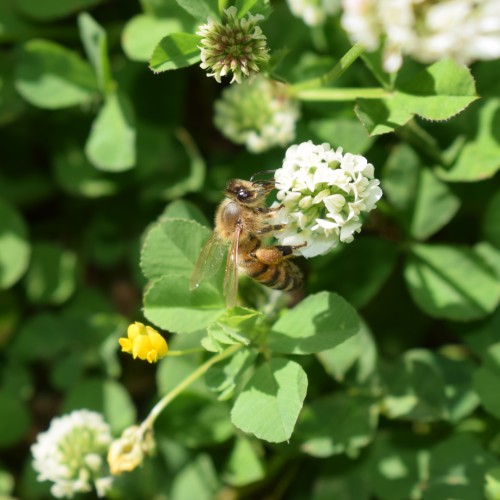
AB1 Nectar Flower Mix
AB1 Nectar Flower Mix is an agri environment option designed to provide pollen and nectar for bees, butterflies and other beneficial insects. It establishes a long flowering habitat from spring to autumn, helping support pollinators and improve farm biodiversity while fitting easily into field margins or less productive areas.

AB2 Basic Overwintered Stubble
AB2 Winter Bird Food is an agri environment option that involves growing seed rich crops to provide vital food for farmland birds over autumn and winter. It supports declining species by helping them survive the hungry gap while also offering shelter and feeding habitat within the farmed landscape.
AB3 Beetle Banks
AB3 Beetle Banks is an agri environment option that creates raised grassy strips across arable fields. These banks provide year round habitat for predatory beetles and other beneficial insects that help control crop pests naturally, supporting biodiversity and integrated pest management on the farm.
AB7 Whole Crop Cereals
AB7 Whole Crop Cereals is an agri environment option where a spring cereal crop is grown and harvested as a whole crop, with the stubble retained over winter. The remaining stubble provides an important food source and foraging habitat for farmland birds during autumn and winter, helping support declining species. Inputs such as fertilisers and pesticides are restricted to enhance the environmental value of the crop and improve biodiversity on the farm.
AB8 Flower Rich Margins & Plots
AB8 Flower Rich Margins is an agri environment option where perennial wildflower margins are established along field edges. These strips provide a long lasting source of pollen and nectar for bees and other pollinators while also creating habitat for beneficial insects, birds and small mammals. The margins help improve biodiversity and support natural pest control within the farmed landscape.
AB9 Winter Bird Food
AB9 Winter Bird Food Supplement is an agri environment option that provides additional seed through supplementary feeding areas or retained crops during late winter and early spring. It helps support farmland birds when natural food sources are scarce, improving survival rates and contributing to wider biodiversity across the farm.
AB14 Harvested low input cereal
Harvested low input cereal
AB15 Two Year Sown Legume Fallow
AB15 Two Year Sown Legume Fallow is an agri environment option where a legume rich mix is sown and maintained for two years. It helps improve soil fertility through natural nitrogen fixation while providing valuable pollen, nectar and habitat for pollinators, birds and other wildlife.
AB16 Autumn Sown Bumblebird
AB16 Autumn Sown Bicolor Legume Mix is an agri environment option where a winter hardy legume mix is sown in autumn. It provides an early source of pollen and nectar for insects in spring while improving soil structure and fertility through nitrogen fixation. The crop also offers valuable habitat for farmland wildlife.
GS3 Ryegrass Seed-Set as Winter Food For Birds
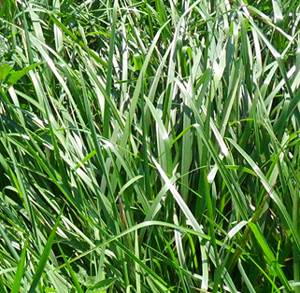
GS3 Ryegrass seed-set as winter food for birds is a Countryside Stewardship grassland option where a permanent ryegrass sward is managed to allow seed heads to set and persist into winter. The retained ryegrass seed provides a valuable food source for farmland birds during autumn and early winter, helping support bird populations and improve biodiversity. Management typically involves limiting grazing or cutting at key times so that seed heads develop and are available for birds as natural winter food.
GS4 Legume and Herb Rich Swards
GS4 Legume and Herb Rich Swards is a Countryside Stewardship grassland option where a mixed sward of grasses, legumes, herbs and wildflowers is established and managed to grow and flower through spring, summer and early autumn. The diverse mix supports pollinators and other invertebrates by providing abundant pollen and nectar while also improving soil structure and water infiltration. Management excludes the use of nitrogen fertilisers and most pesticides so that the sward’s environmental benefits are maximised.
GS7 Restoration Towards Species Rich Grassland
GS7 Restoration Towards Species Rich Grassland is a Countryside Stewardship option where existing grassland is managed to increase plant diversity and restore a more species rich sward. Management focuses on reducing nutrient inputs, adjusting grazing or cutting regimes, and encouraging a wider range of grasses, herbs and wildflowers to establish. This helps improve habitat quality for insects, birds and other wildlife while enhancing overall biodiversity on the farm.
GS8 Creation of Species Rich Grassland
GS8 Creation of Species Rich Grassland is a Countryside Stewardship option where new grassland is established using a diverse mix of grasses, herbs and wildflowers. The aim is to create a botanically rich sward that supports pollinators, invertebrates and farmland birds. Management focuses on low nutrient inputs and appropriate grazing or cutting to allow a wide range of species to thrive, helping enhance biodiversity and long term habitat value.
GS11 Creation of Wet Grassland for Breeding Waders
GS11 Creation of Wet Grassland for Breeding Waders is a Countryside Stewardship option where grassland is managed to create or restore seasonally wet conditions that benefit breeding wading birds such as lapwing, redshank and snipe. The aim is to provide shallow water areas, damp grass swards and structural habitat that support nesting and feeding for these priority species while also enhancing wet grassland biodiversity more widely.
GS12 Creation of Wet Grassland for Wintering Waders and Wildfowl
GS12 Creation of Wet Grassland for Wintering Waders and Wildfowl is a Countryside Stewardship option aimed at converting arable or temporary grassland into wet grassland habitat that supports wintering wildfowl and wading birds. It involves establishing and managing a wet, species rich grass sward with areas of standing water or damp features so that birds have undisturbed feeding and roosting habitat throughout the winter. Management typically includes careful grazing and cutting, controlling scrub and undesirable species, and avoiding ploughing or cultivation once established, with minimal use of fertiliser or pesticides. The option is usually taken up under the Higher Tier of the scheme and provides long term habitat creation benefits for priority bird species.
GS14 Creation of Grassland for Target Features
GS14 Creation of Grassland for Target Features is a Countryside Stewardship option where grassland or land being converted to grassland is managed specifically to support priority habitats, species or environmental features. It typically involves establishing a species rich grass sward and managing it in ways that benefit target wildlife such as rare plants, insects, birds or fungi, helping enhance biodiversity and ecological function on the farm. This option is usually taken up under Higher Tier agreements and contributes to long term habitat creation outcomes.
SW3
In-field grass strips
SW4
12-24m watercourse buffer strip on cultivated land
SW6
Winter cover crops
SW7
Arable reversion to grassland with low fertiliser inputs
SW8
Management of intensive grassland adjacent to a watercourse